
DISC PAIN · SCIATICA · SOUTH JORDAN
Spinal decompression and corrective traction in South Jordan
For disc-related neck and back pain, including pain that travels down the leg, we offer three types of spinal decompression: horizontal, vertical and corrective. Every plan starts with measurement, and we re-measure as you progress.
Hablamos español. Dr. Gordon and our team speak Spanish fluently.
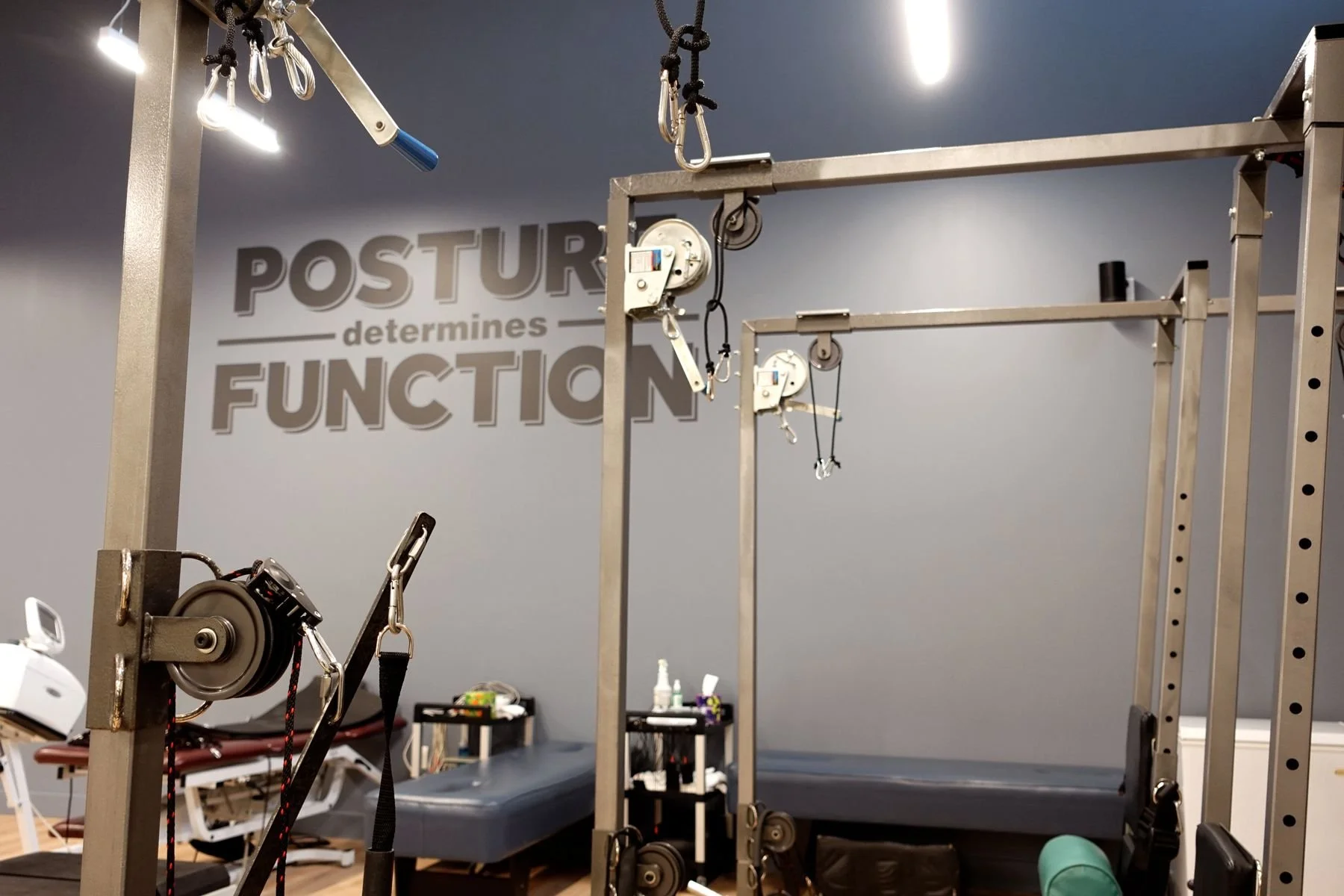
KNOW THE DIFFERENCE
Two tools, two different jobs
People often use “decompression” and “traction” to mean the same thing. They aren’t.
Your evaluation tells us which one you need, and many patients benefit from both.
-
Spinal decompression
Goal: Gently unload the spine, aiming to ease pressure on irritated discs and nerves.
How: A slow, controlled pull-and-release cycle, horizontal or vertical.
Often for: Disc bulges and herniations, degenerative disc disease, arthritis, sciatica, and arm or leg pain from an irritated nerve.
-
CBP® corrective traction
Goal: Help restore the spine’s healthy curves and alignment.
How: Precise positioning based on your posture and X-ray measurements, set up by our team.
Often for: Forward head posture, loss of the neck or low-back curve, and posture-related pain.
SPINAL DECOMPRESSION
Horizontal, vertical and corrective decompression
Decompression gently and gradually unloads the spine in a controlled way. We use a Chattanooga decompression table for horizontal decompression, and our universal traction system for vertical and corrective traction.
Having all three lets us match the approach to your spine, your symptoms and how your body responds.
-
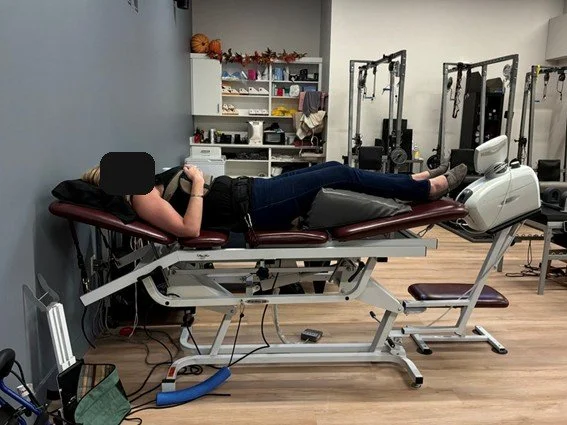
Horizontal decompression
Done lying down on our Chattanooga decompression table, with the pull targeted to the area of your spine that needs it.
-
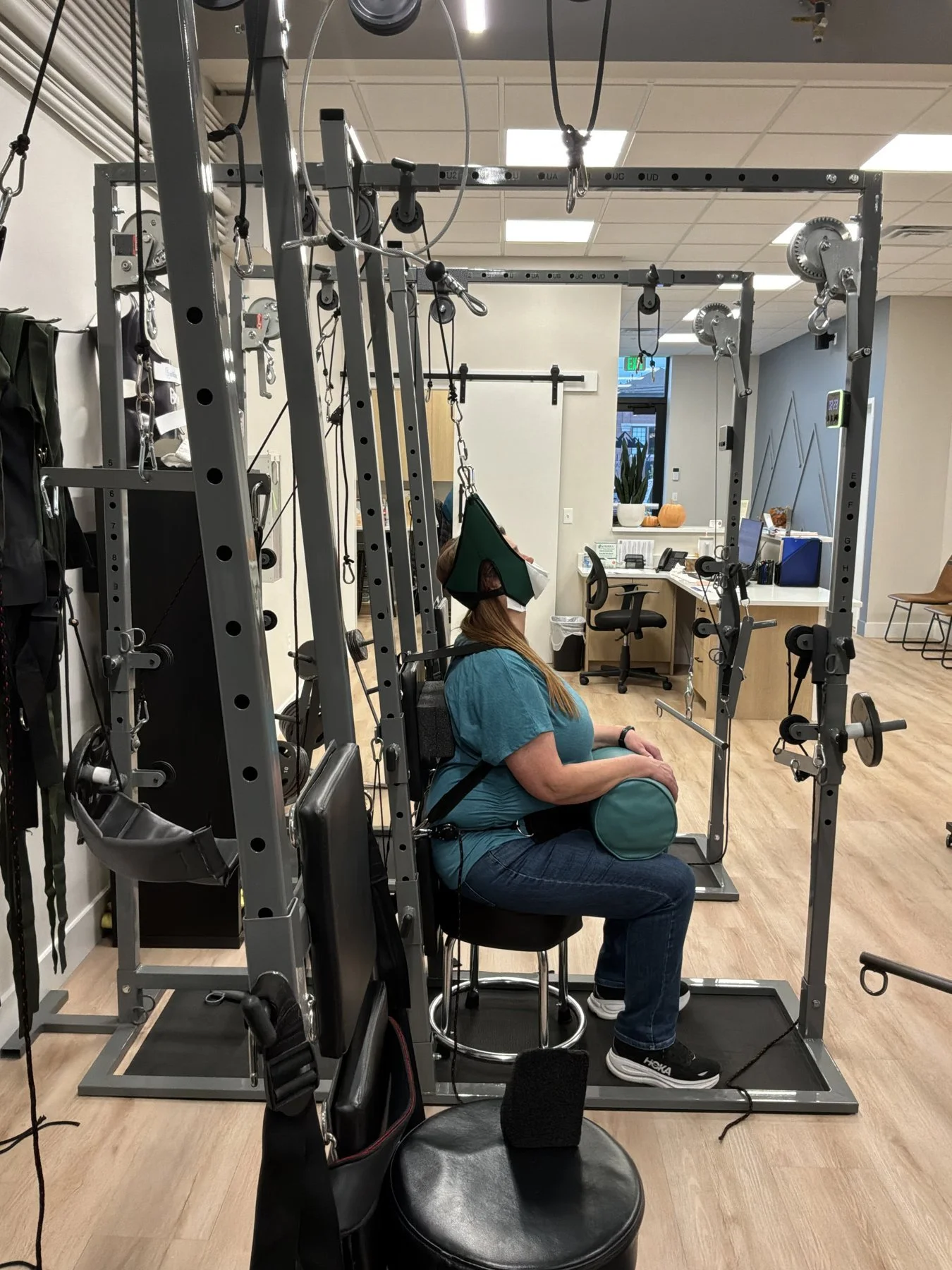
Vertical decompression
Done upright on our universal traction system, unloading the spine in a position closer to how you stand and move. The same system runs our CBP® corrective traction for structural correction.
Decompression may be a fit if you have
Disc bulge or herniation
Sciatica
Pain down the arm or leg
Degenerative disc disease
Spinal arthritis
A spine that needs structural correction
Low back pain
Neck pain
It isn’t right for everyone. We screen first for conditions that make decompression a poor fit, such as a recent fracture or pregnancy. Spinal hardware doesn’t automatically rule out care; traction may still be an option when it’s appropriate. If it isn’t a fit, we’ll explain why and what we recommend instead.
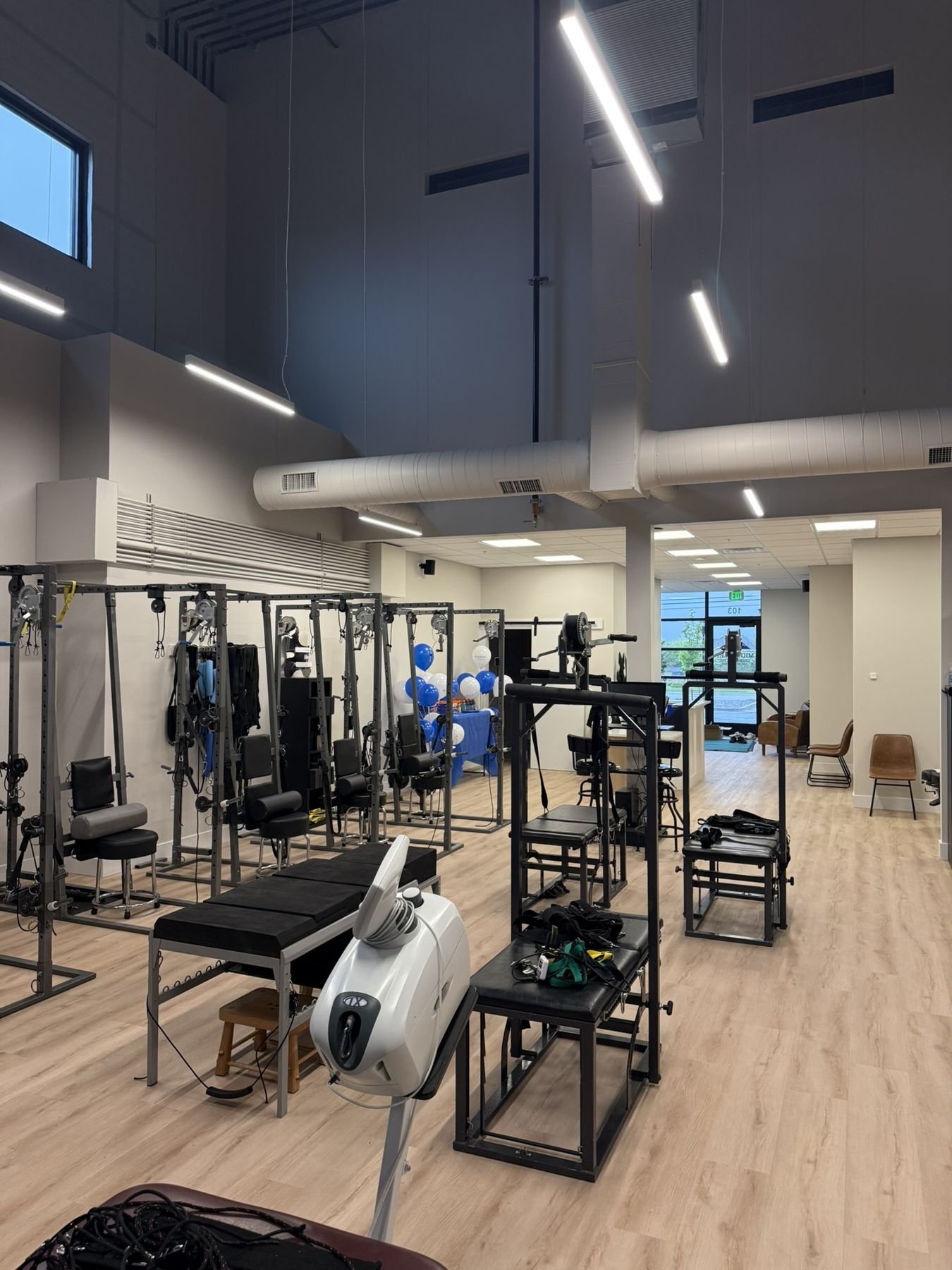
CBP® CORRECTIVE TRACTION
Traction positioned from your measurements
Corrective traction is part of Chiropractic BioPhysics® care. We use your posture and X-ray measurements to position you so the traction works toward the spine’s healthy curves, then track the change at each re-evaluation.
Our hands-on team sets up every session and stays with you. Intersegmental traction is also available to help the spine move more freely.
Shown here: corrective traction stations on our rehab floor.
Measured at the start, and along the way
-
Function · Oswestry & NDI
Standard questionnaires that score how back or neck pain affects daily life.
-
Motion · Digital range of motion
How far and how comfortably you move, measured digitally.
-
Posture · PostureScreen
Head, shoulder and pelvic position, compared over time.
-
Imaging · X-ray analysis
When clinically necessary, digital X-rays analyzed with PostureRay to guide traction positioning.
Decompression and traction questions
-
No. Decompression gently unloads the spine, aiming to ease pressure on discs and nerves. CBP corrective traction is positioned from your measurements to help restore the spine’s healthy curves. Many patients use both.
-
Most patients describe a gentle, gradual stretch through the spine, followed by a slow release. It should feel comfortable; you’ll be relaxed and supported the whole time. If anything feels off, tell us and we’ll adjust the setup.
-
It depends on your findings and how you respond. We recommend a plan after your evaluation and re-measure along the way, so you can see whether it’s working.
-
It depends on the surgery. Spinal hardware doesn’t automatically rule it out; we still use traction when it’s appropriate. We review your history and imaging first, then explain your options.
-
If you were hurt in a car accident, ask us how your auto coverage applies. Otherwise, we offer clear cash care plans, and some insurance plans are accepted when coverage is available.
Find out if decompression fits you
A measured evaluation in South Jordan comes first. Hablamos español.
Two ways to book: call (801) 562-1531 and we’ll email your forms to you, or start online with the general & cash-pay forms or car crash forms and we’ll call you once we receive them.